
As the world celebrates International Women’s Day on 8 March, we are shining a light on Jenny Bowes, our new RSPB Conservation Grazing Manager here at Wild Haweswater.
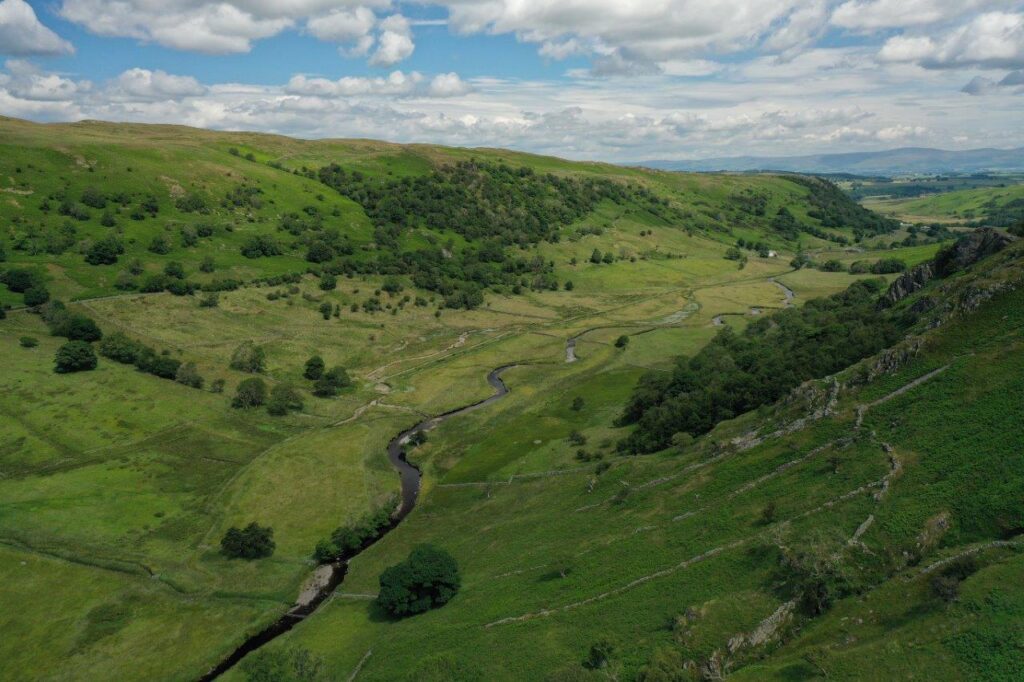
Six months into her role, Jenny is helping shape our ambitious landscape recovery work, by managing our livestock across the 30km2 of rainforest, woodland, moorland, river and meadow that make up Wild Haweswater, here on the eastern edge of the Lake District National Park.
Wild Haweswater is a pioneering partnership between the RSPB and landowner United Utilities, working together since 2011 to restore habitats, improve water quality and create a resilient landscape for wildlife and people.
At the heart of that work is conservation grazing — and Jenny.
Farming in her blood
Jenny grew up in Wensleydale, North Yorkshire, attending school in Richmond before studying agriculture at Askham Bryan College in York. With both grandfathers being farmers, she spent her childhood on farms and riding ponies.
“I’ve always had that connection to livestock and the land,” she says. “Farming is in my blood.”
Before joining the RSPB in autumn last year, Jenny farmed sheep and beef as a tenant farmer, not far from Wild Haweswater and built a 20-year career in agriculture, including working as the UK Northern representative for a major agricultural company specialising in dairy hygiene and product development.
She has long admired Wild Haweswater.
“I nearly applied for the role when it was advertised previously, but family commitments meant the timing wasn’t right. When the opportunity came up again, I was super excited. It combines several of my passions — farming, ponies, nature and wildlife.”
Livestock working for wildlife
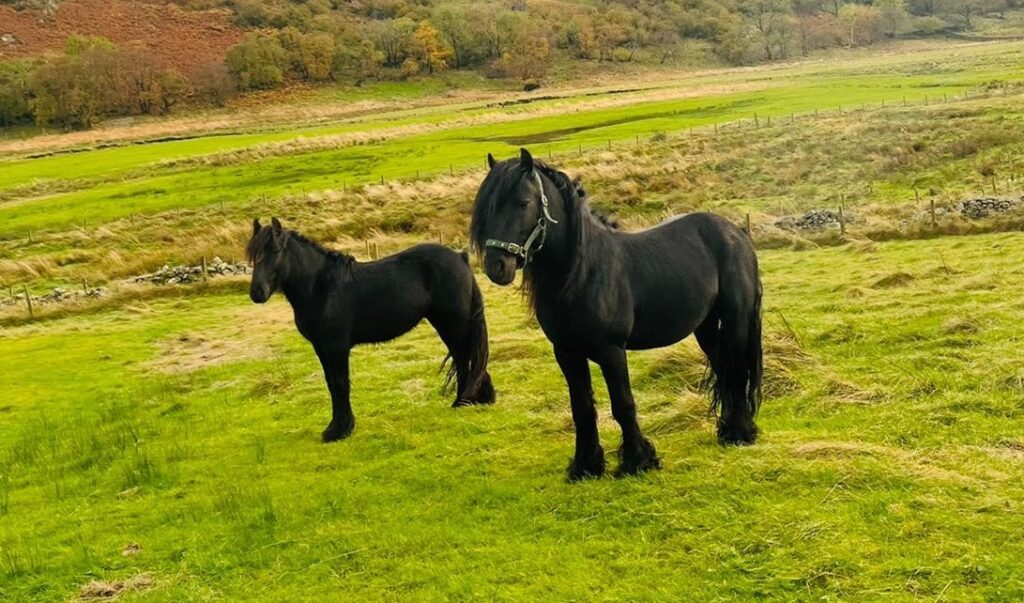
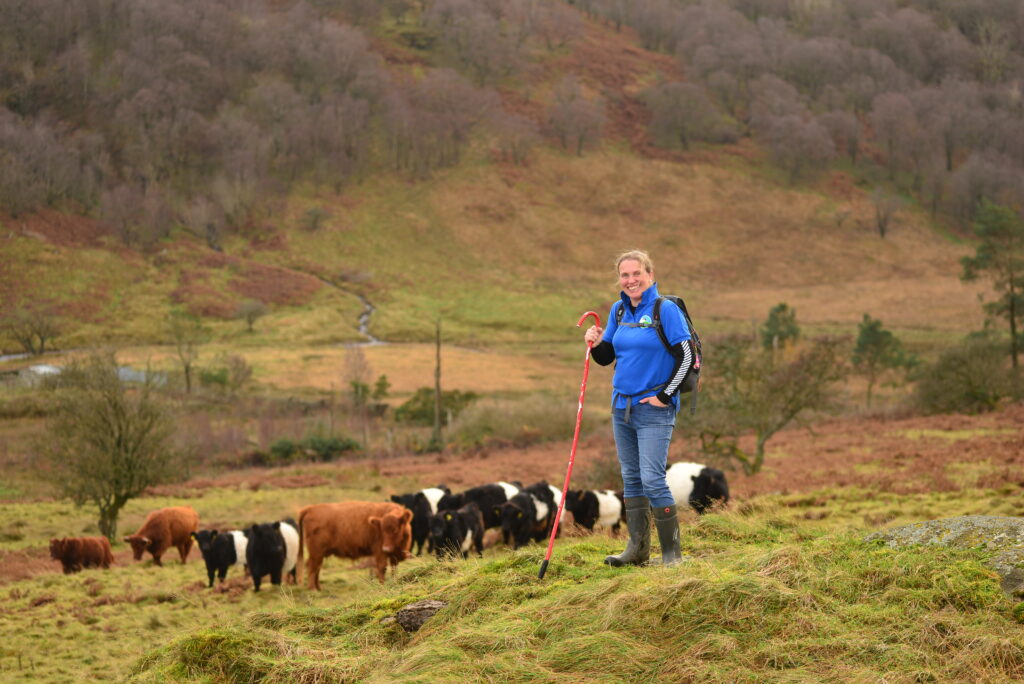
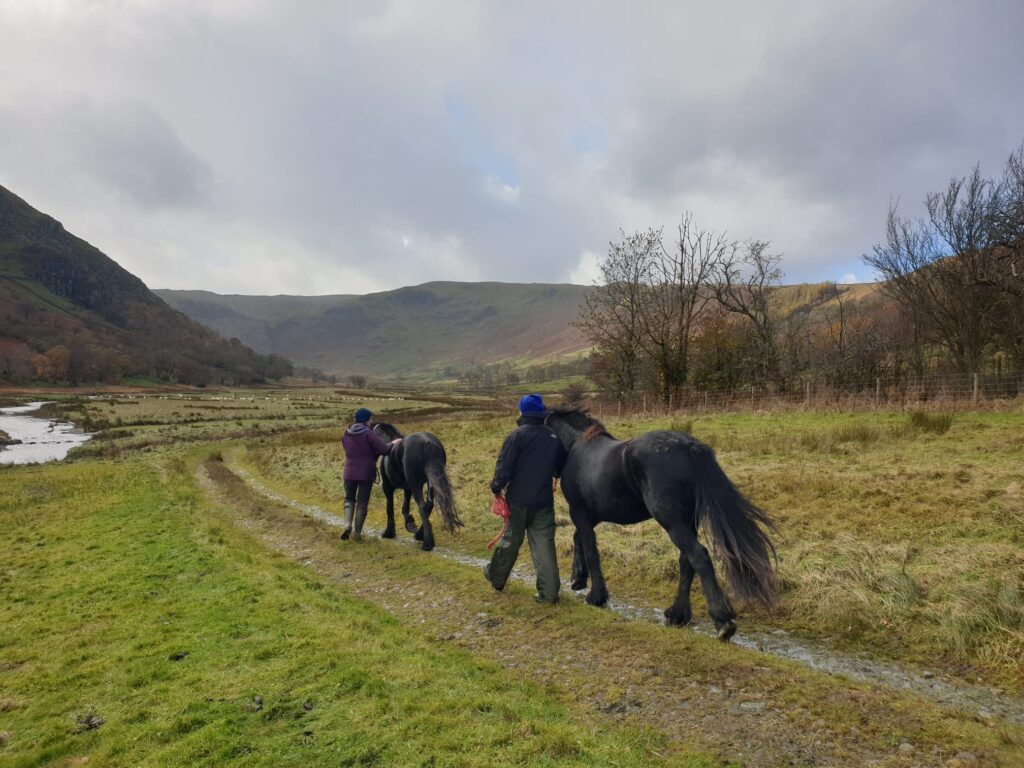
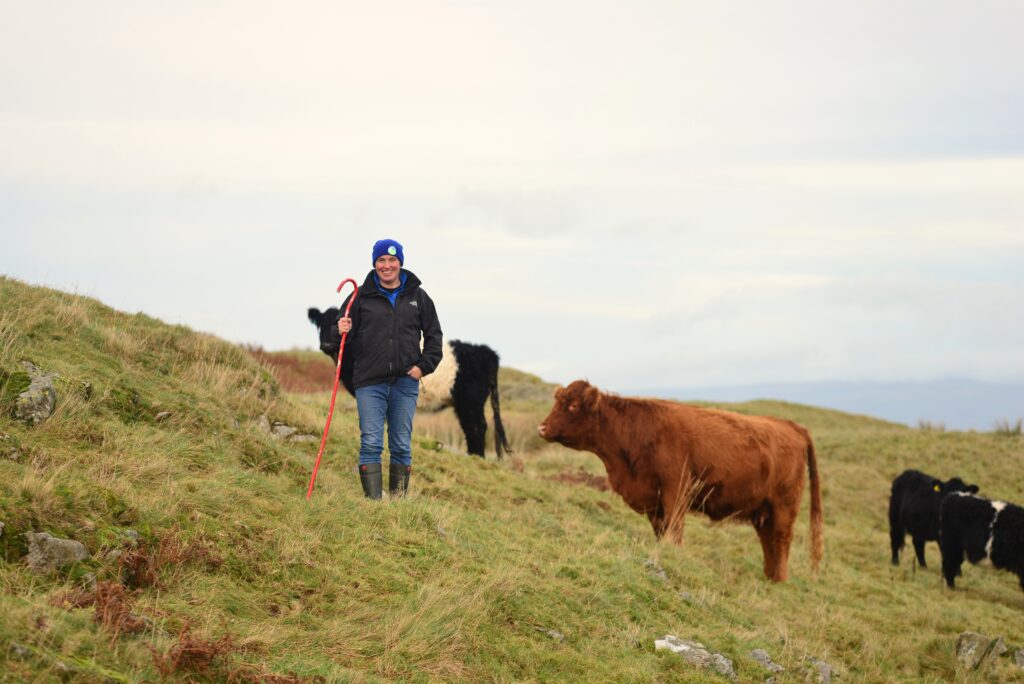
Jenny now oversees our herd of native Belted Galloway and Luing cattle owned by the RSPB, alongside native sheep and Cumbrian Fell Ponies on loan from local farmers.
Each plays a vital role in restoring habitats.
“Some coarse grasses, bracken and rushes can dominate and crowd out wildflowers and young trees,” Jenny explains. “The cattle and ponies graze and trample those plants in the valleys and on the common, helping create space for greater plant diversity.”
After the hay cut in late summer, sheep graze the remaining vegetation to help ensure a species-rich crop the following year.
This carefully managed grazing supports wildlife, improves the quality of water flowing into Haweswater reservoir, and strengthens the landscape’s resilience to climate change.
“It’s different to being a tenant farmer,” Jenny says. “But I still get the joy of working with animals — and there’s something incredibly rewarding about knowing they’re helping nature recover.”
Breaking ground in conservation and farming
International Women’s Day recognises the achievements of women across all sectors — including industries traditionally seen as male-dominated.
Jenny hopes her journey shows that conservation and farming are careers where women can thrive.
“I think the sector is changing,” she says. “There are more women stepping into farming and conservation roles, bringing different skills and perspectives. What matters most is knowledge of the land, care for livestock and passion for wildlife.”
Managing livestock across such a vast and rugged landscape presents challenges — from steep terrain and unpredictable weather to limited phone signal affecting GPS collars used to manage cattle on the open fell.
But for Jenny, the rewards outweigh the challenges.
“The landscape here is incredible — it changes with every season. One snowy morning we watched Peregrine Falcons swooping at breakneck speed. Another day, a huge salmon started leaping as I crossed Swindale Beck.
“Then there are the quieter moments — the Robins, the Tawny Owls calling at night, the carpets of yellow in spring and purple in summer. Each time I stop and look, I see something new.”
Looking ahead
Jenny is ambitious for the future of Wild Haweswater.
“I would love to see even more species of birds, plants and wildlife thriving here — alongside the livestock, which I believe are also a welcome sight and sound in this landscape.”
She is also keen to build on public engagement work, welcoming school and community groups to learn how farming and conservation can work hand in hand.
Don’t forget, to find out more about the work of Jenny and all our RSPB team at Wild Haweswater, visit www.wildhaweswater.co.uk and follow us on Facebook and Instagram.
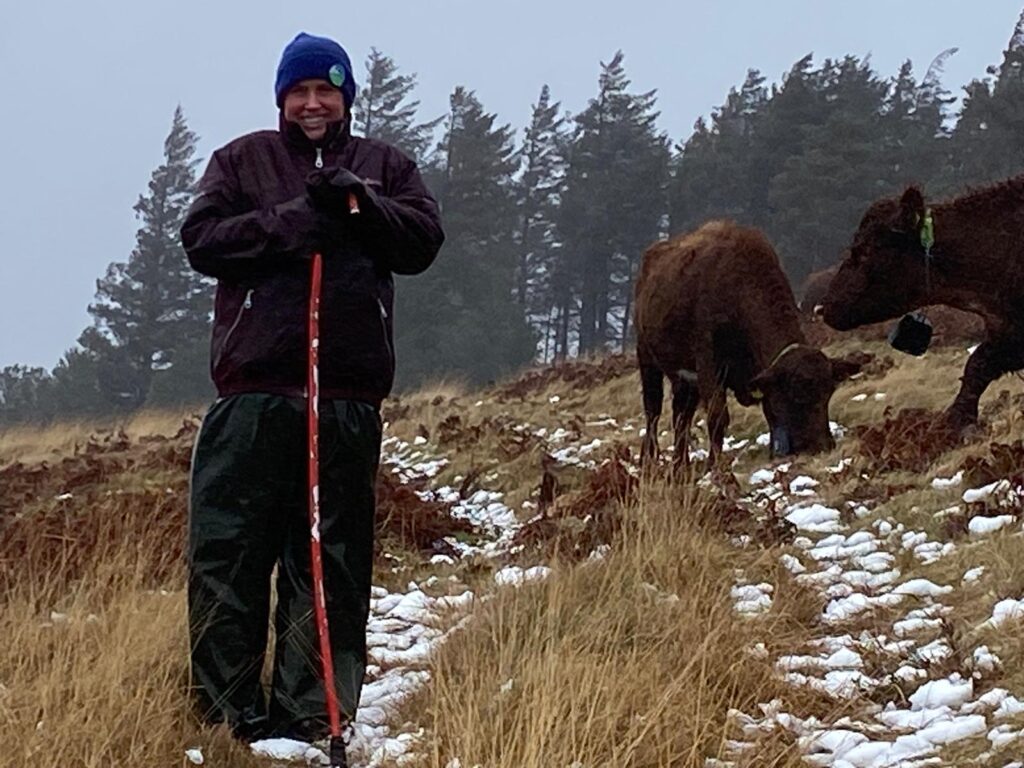
Image credits: 1) Jenny checking on our RSPB herd of Belted Galloway (the black and white ones) and Luing (the ginger ones) cattle, taken by our RSPB Estate Worker Will. 2) Image of Jenny leading Fell Ponies Blossom and Gem into Swindale with their owner Nicola who we borrow them from, taken by Tom Elliot. 3) Jenny happily checking the cows, taken by our RSPB Estate Worker Will. 4) It’s not always sunny at Wild Haweswater! Jenny checking the cattle in the snow, taken by herself.
– Blog by Annabel Rushton, RSPB People and Partnerships Manager for Wild Haweswater. Posted Friday 6 March 2026