
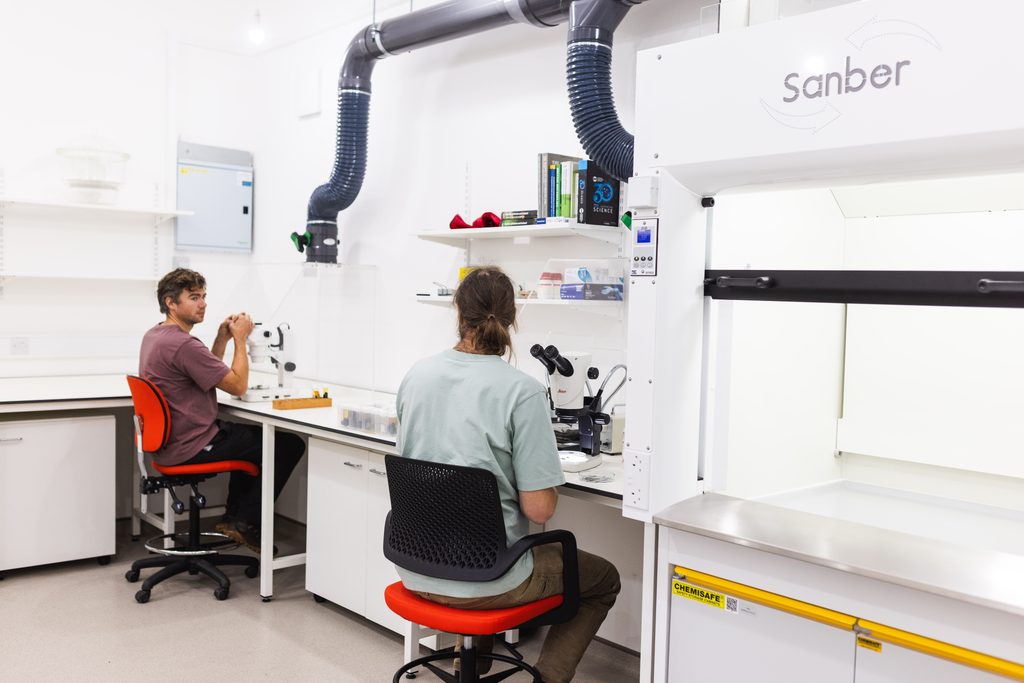
We’re excited that our new RSPB Laboratory for Upland Research has opened here at Wild Haweswater this week, creating a dedicated, purpose-built base for scientists, universities and students to investigate Cumbria’s upland landscapes and how they respond to nature recovery.
Our new facility has been made possible by a generous legacy from the estate of Denis Summers-Smith, an eminent ornithologist whose lifelong study of House Sparrows helped advance understanding of bird behaviour and House Sparrow declines. Originally a mechanical engineer, he brought a scientist’s curiosity and dedication to his study of the natural world.
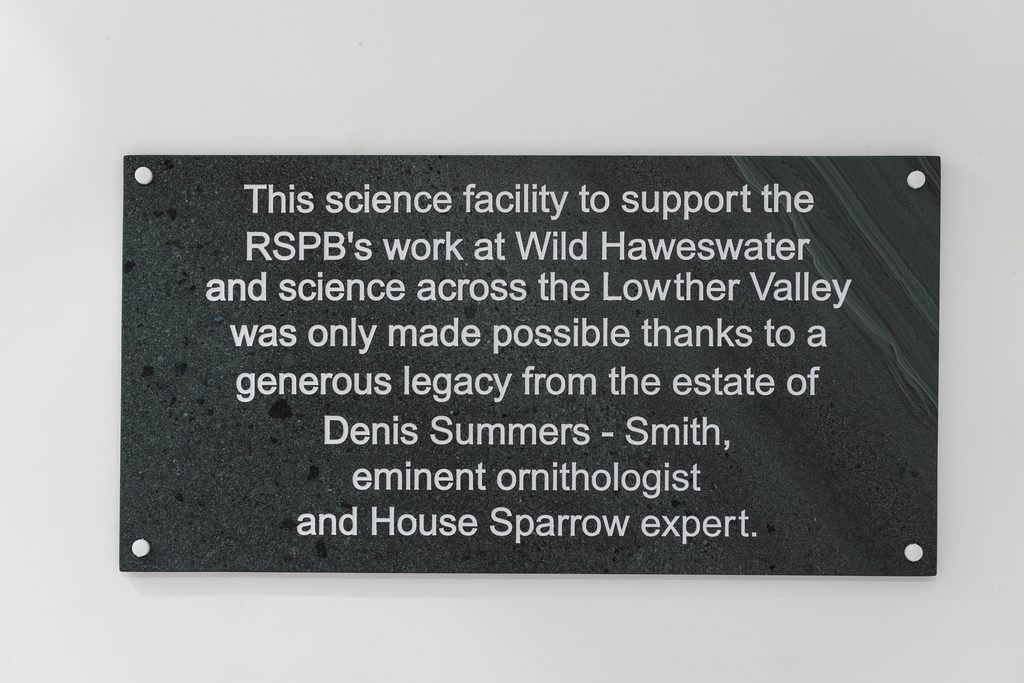
We officially opened the new lab with a ribbon-cutting event on Tuesday this week, which was attended by partners and representatives from the RSPB, Cumbria Connect, United Utilities and Natural England as well as students from several universities who are contributing to the research. We were delighted that Stuart and Tammy, close friends of Denis Summers-Smith attended the day, sharing treasured stories, books and memorabilia of Denis.
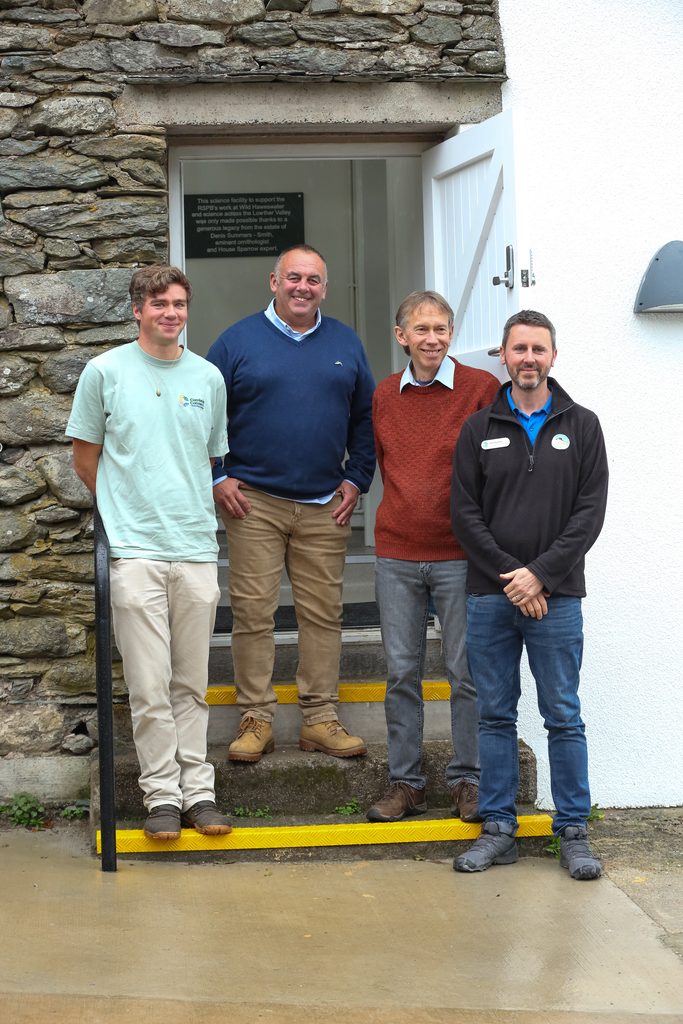
The ambition is for our laboratory to become a hub for upland science, bringing researchers and conservationists together to carry out fieldwork, share expertise and develop new collaborations.
It will support current research being carried out by Cumbria Connect, the landscape-scale nature recovery partnership that we are a partner in, whose work and scientific monitoring spans here at Wild Haweswater, the Lowther estate and the Lowther Valley. The facility will also provide a base for visiting researchers and academic partners.
“Cumbria’s uplands are incredibly important for nature recovery. They contain a rich variety of habitats, from grasslands and peatlands to woodlands and temperate rainforest, and play an important role in storing carbon and managing water. These landscapes have also been shaped by centuries of land use, and we still have much to learn about how they respond as we restore habitats and natural processes.
“We hope this laboratory will give researchers, students and conservationists a place to work together and build the evidence needed to guide restoration, both here in Cumbria and in upland landscapes further afield. It’s about making Cumbria a much stronger base for upland science.”
– Dr Mo Verhoeven, Conservation Scientist at Cumbria Connect
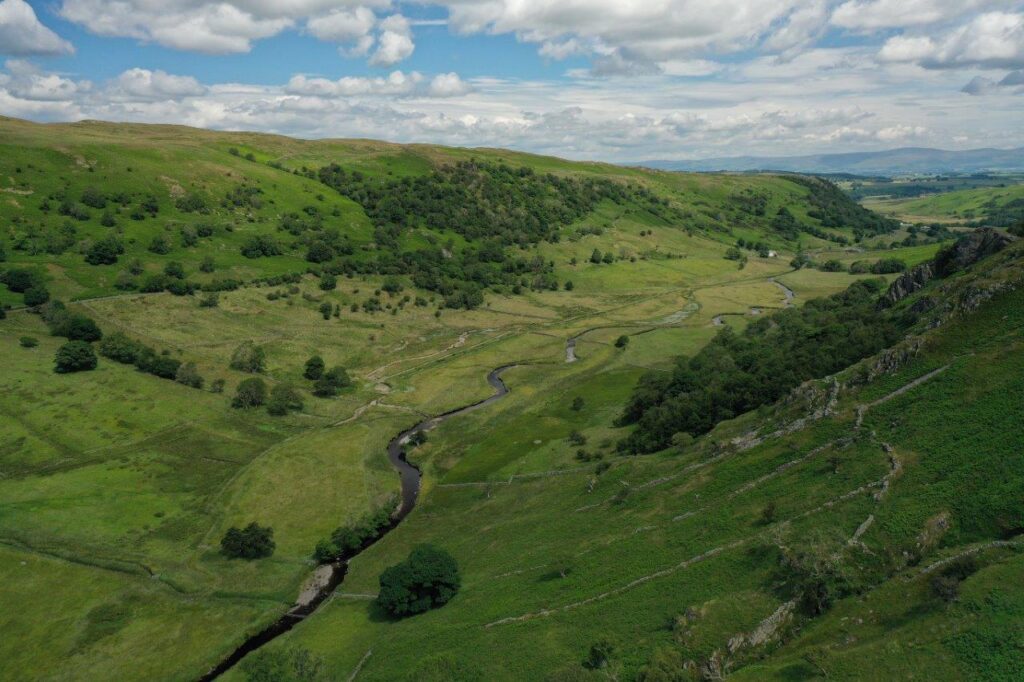
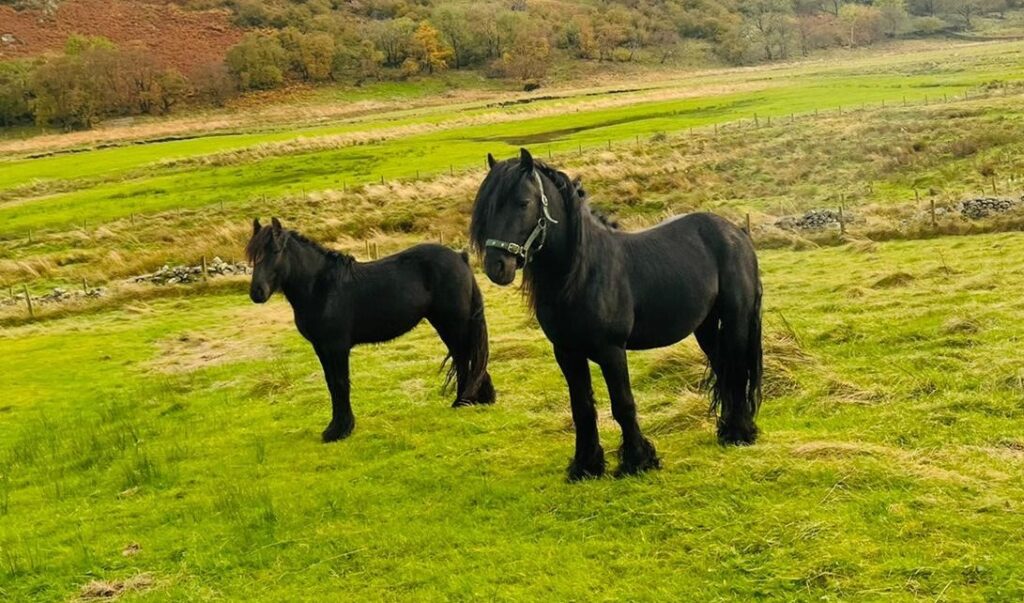
Wild Haweswater provides a valuable setting for this work, with restoration already underway across this large and varied landscape. The partnership we have here between the RSPB who manage the land, and United Utilities who own the land covers 30km2 around Haweswater Reservoir and includes our native tree and plant nursery – the largest of its kind in the Lake District. Here we grow trees and shrubs from seed gathered on-site, and plant them back into the landscape to restore and expand temperate rainforest and montane scrub habitats. Wild Haweswater is home to Naddle Forest, one of the UK’s remaining fragments of temperate rainforest and an important reference point for understanding long-term ecological recovery.
On part of the site here – Mardale Common, the Cumbria Connect science team is working closely with our RSPB team on a long-term grazing experiment, investigating how different approaches to cattle grazing, tree planting and deer management affect biodiversity. The Cumbria Connect team of researchers are monitoring changes across the food chain, from water, soils and fungi to plants, invertebrates and birds, to build a fuller picture of how management decisions influence wildlife.
Other research they’re carrying out here focuses on mycorrhizal fungi, microscopic organisms that form partnerships with plant roots, helping plants access water and nutrients. Working with the Society for the Protection of Underground Networks (SPUN) and our RSPB team here, Cumbria Connect researchers are investigating how fungal communities change as upland landscapes recover, and whether restoring these underground networks could help native trees such as oak and birch establish and grow. The research combines soil sampling, DNA sequencing and experiments using locally-sourced fungal communities.
“This new laboratory is a fitting legacy. Denis Summers-Smith dedicated so much of his life to observing, questioning and understanding the natural world. We want to build on that spirit of curiosity by creating a place where people can come to study Cumbria’s uplands, collaborate and explore the questions that matter for nature recovery.”
– Glen Swainson, RSPB Site Manager at Wild Haweswater
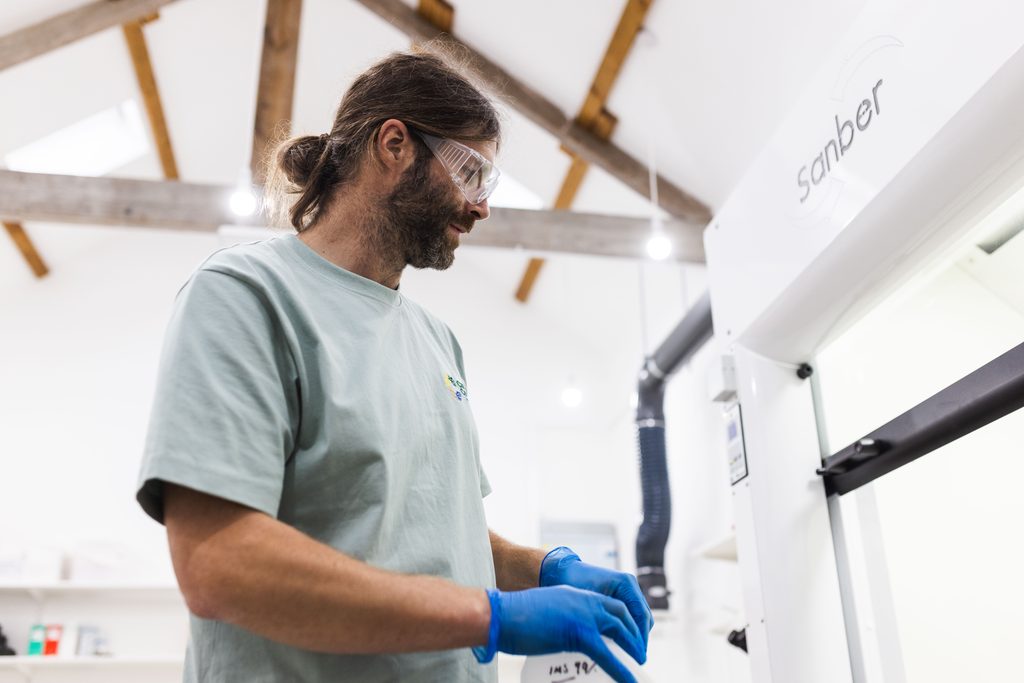
Image credits:
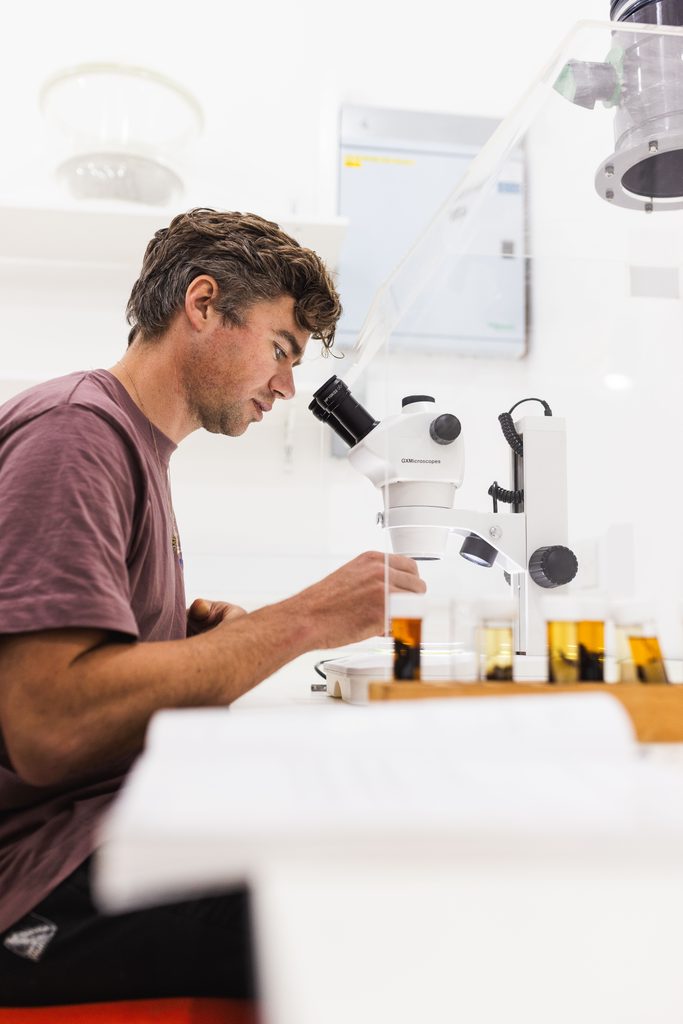
1) The Conservation Science team from Cumbria Connect, Dr Mo Verhoeven (left) and Callum Goff (right) using the microscopes in the new research lab
2) Plaque on the wall of the new research lab to honour Denis Summers-Smith
3) (L-R) Mo Verhoeven (Cumbria Connect’s Conservation Scientist, Stuart Worton (close friend of Denis Summers-Smith), Will Peach (RSPB Head of Conservation Sicence in England and Wale) and Glen Swainson (RSPB Site Manager at Wild Haweswater) officially opening the new research laboratory
4) Mo Verhoeven testing out the new lab
5) Callum Goff trying out the new facilities in the lab.
All images taken by Mark Williamson Photography.
Blog by Bailey Lamburn, Communications Manager at Cumbria Connect and Annabel Rushton, RSPB People and Partnerships Manager for Wild Haweswater. Posted Thursday 22 October 2026.