
Ten years after we transformed Swindale Beck here at Wild Haweswater, new surveys show the river is thriving, with significantly more young Salmon using the restored habitat.
The restoration is helping one of the UK’s most threatened fish species, Atlantic Salmon, which are now classified as endangered.
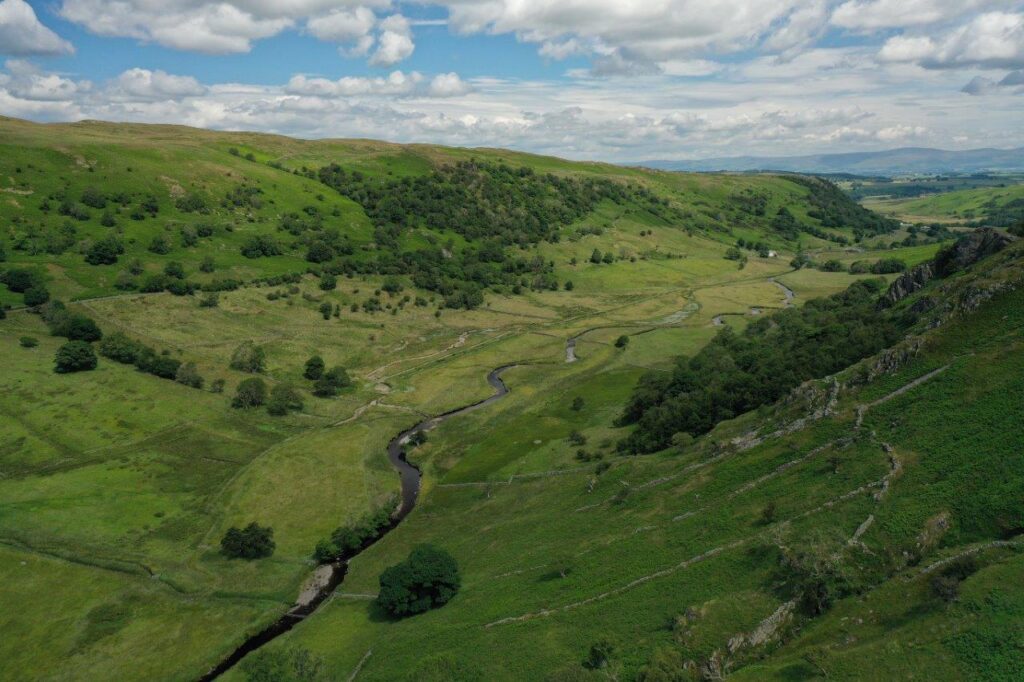
In 2016, the Wild Haweswater partnership of the RSPB (who manage Wild Haweswater) and United Utilities (who own the site), along with expertise from the Environment Agency who also funded the work, and advice from Natural England, embarked on an ambitious project to put the natural wiggles back into Swindale Beck, after it had been artificially straightened and embanked around 200 years previously.
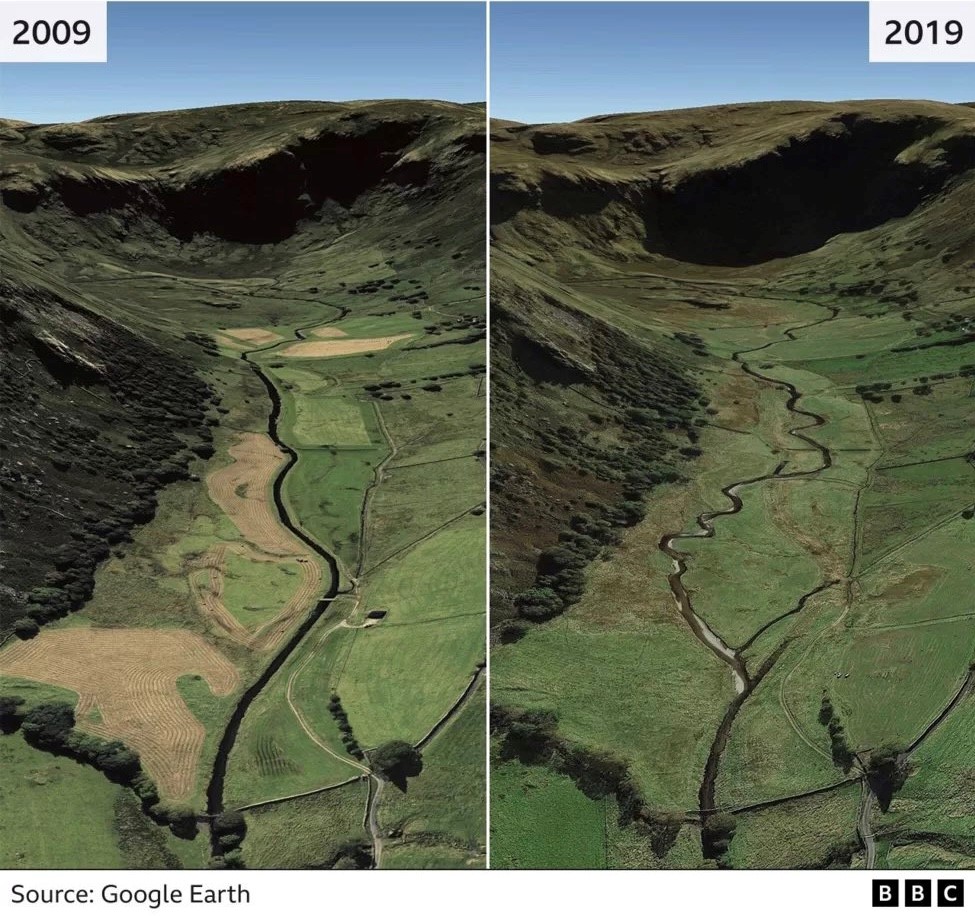
There were multiple aims of this work to restore the natural river function including; improving water quality as Haweswater reservoir is the most important supply in the north west to 2.2million people, reducing flood risk by re-connecting to its floodplain, and crucially restoring the natural river features such as gravels and aquatic plants needed by Salmon.
As well as restoring a 1km section of Swindale Beck to a more natural wiggly course, further work downstream at Swindale Foot, allowed other sections to reconnect with their floodplain, creating a wider range of places for wildlife to thrive.
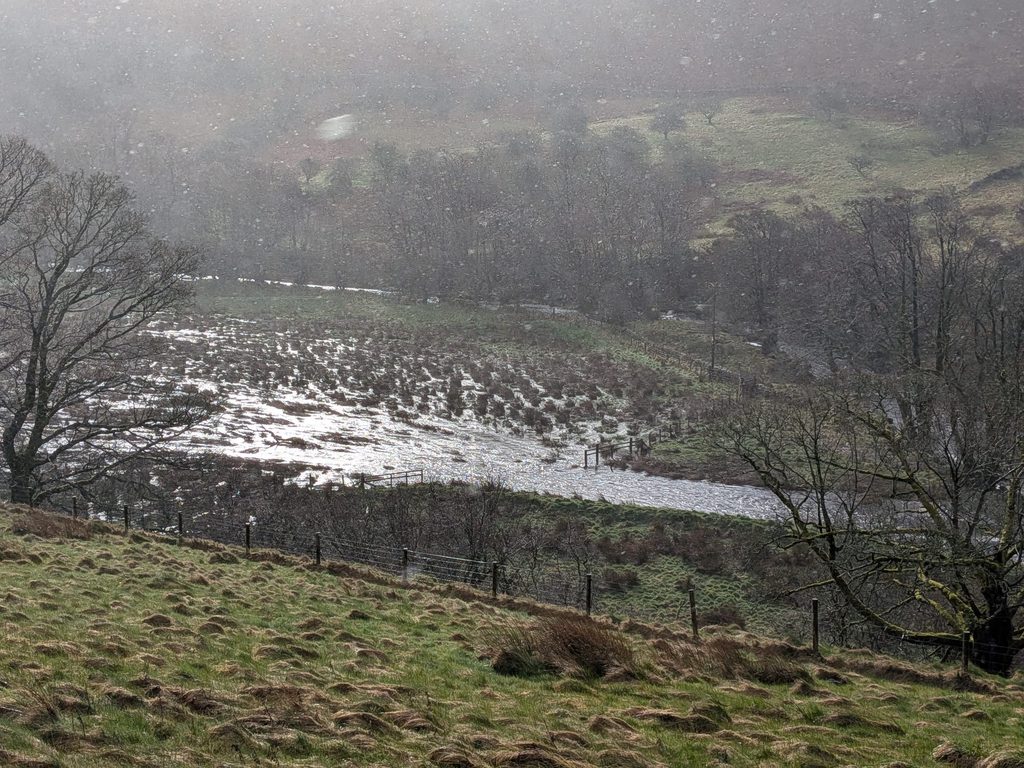
Swindale Beck is designated as a Site of Special Scientific Interest (SSSI) which makes it important in the UK for Salmon, and a Special Area of Conservation (SAC) which makes it important in Europe for Salmon, so the restoration of this river a decade ago was vital to ensure the continued survival of this now endangered species.
“Seeing how Swindale Beck has responded to its restoration in the last 10 years is really exciting. In the re-wiggled section, Salmon returned to spawn in that part of the river within 3-months of the work completing, which was the first time since it was straightened around 200 years ago! When a landscape has been heavily altered by the actions of humans, it can take decades to reverse the change, so to see those instantaneous results, just shows how nature can bounce back when given the chance.”
– Glen Swainson, RSPB Site Manager at Wild Haweswater
Some changes have taken slightly longer, and throughout the last 10 years since all the restoration work has taken place, regular surveys have been carried out by the Environment Agency to monitor how Salmon are faring in the river. The latest results are incredibly encouraging, particularly in the lower section at Swindale Foot.
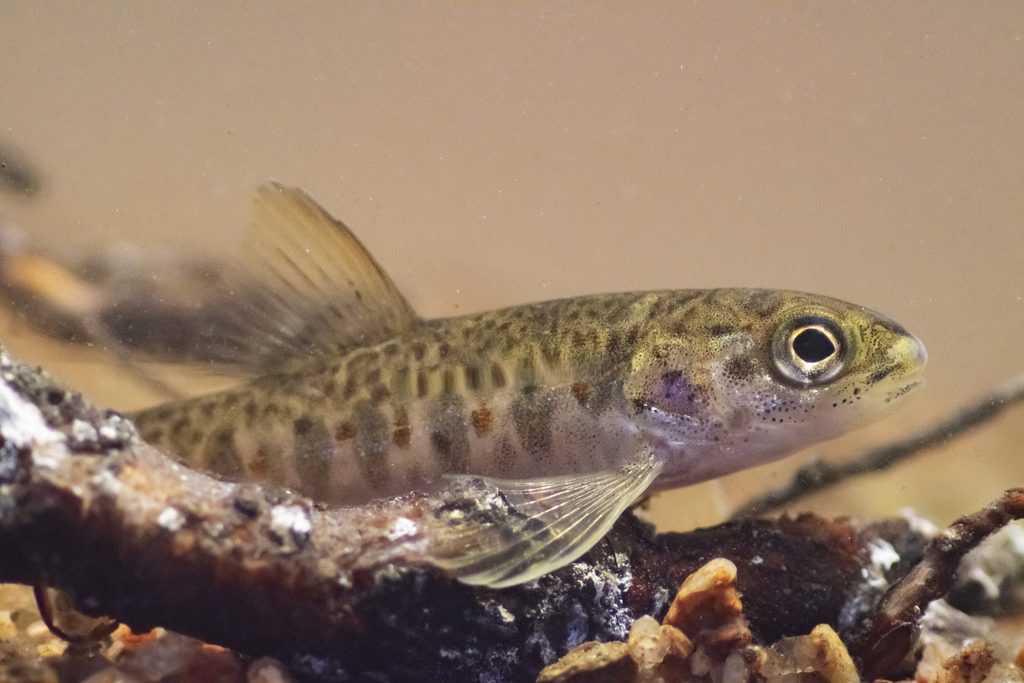
“In this year’s surveys, we found significantly more salmon fry (newly hatched Salmon) across the three sites we sample on one section of Swindale Beck, along with a good sprinkling of parr (juvenile Salmon). This indicates that young Salmon are now not simply moving into this habitat from upstream or downstream, but have come from redds (Salmon nests) that adult Salmon have been able to create in this section, as it is now providing the gravels and other conditions that they need. It’s really encouraging to see, and I’m sure that this is the start of a real acceleration of establishment as a stronghold of spawning and juvenile habitat for these fish. As expected, it’s taken a few years, but results this year and really pleasing to see.”
– Philip Ramsden, Fisheries Technical Specialist from the Environment Agency in Cumbria
The restoration work and resulting positive changes that allow the river to function much more naturally, are allowing more young Salmon to survive in the river system, which is vital to growing their populations.
Philip Ramsden added:
“The restoration has improved a combination of things like plants for cover and shade, insect life, and resilience to low and high flows. These are all general habitat aspects that are of huge benefit to young Salmon here. You may very well have great spawning and great fry hatching (and we did have this in the lower section of the old, embanked channel) but without crucial follow-on habitat to allow those fish to grow and survive, it can be a bit fruitless. What we need, is spawning opportunity combined with lots of good, varied habitat for the following life stages. If we have that, then we will hopefully see more fish survive to the smolt stage (when the young Salmon begin their migration to sea). That’s our ultimate aim in freshwater and that’s what we have here in Swindale Beck since the restoration work took place.”
As well as Salmon, the surveys have recorded Brown Trout (both adult and juvenile), Minnow, Bullhead, Stone Loach, Lamprey and Eels. Other wildlife has also returned or increased along the restored river too, such as Otter, a whole host of aquatic plants along with birds like Goosander, Dipper, Kingfisher, Snipe, and this year Water Rail returned to the wet habitats created in the river.
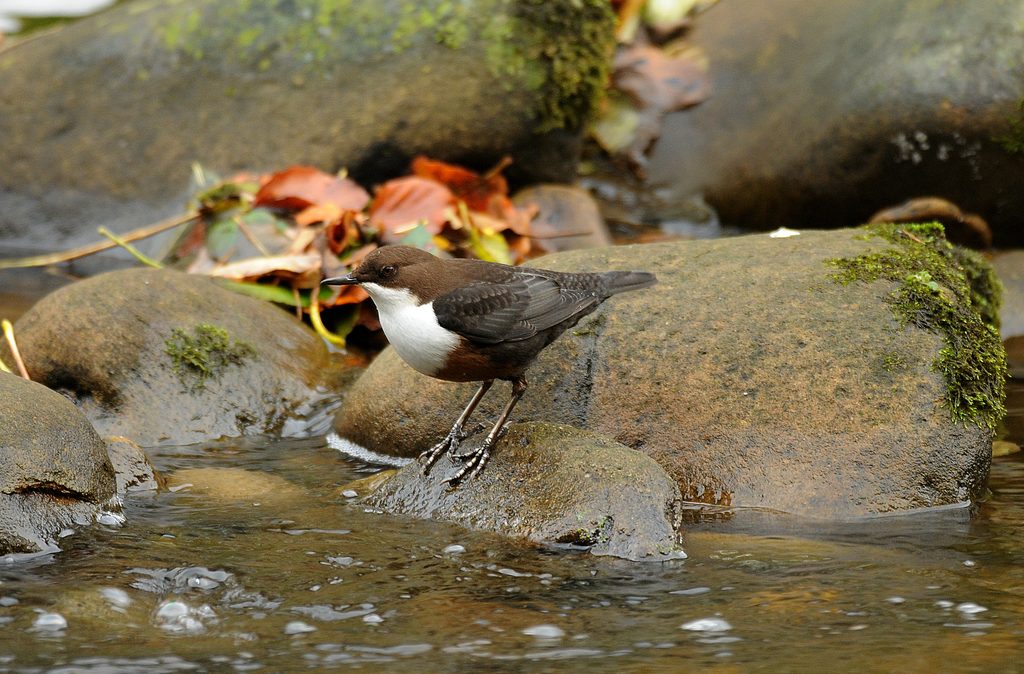
“Ten years on from the restoration work, the fact that we’re seeing so much wildlife thriving in Swindale Beck shows how much the habitat and water quality is improving. A healthier catchment means cleaner water flowing into Haweswater, which supports the treatment process that delivers drinking water to our customers across the North West.
“Working together in partnership has been vital to this success, and we’re grateful to all those involved in making this project such a huge success.”
– Matt Powell, Catchment Partnership Officer for United Utilities in Cumbria
A decade after restoration began, Swindale Beck is demonstrating how rivers can recover when natural processes are restored, providing benefits for endangered salmon, other wildlife, slowing the flow for flood risk and drinking water quality.
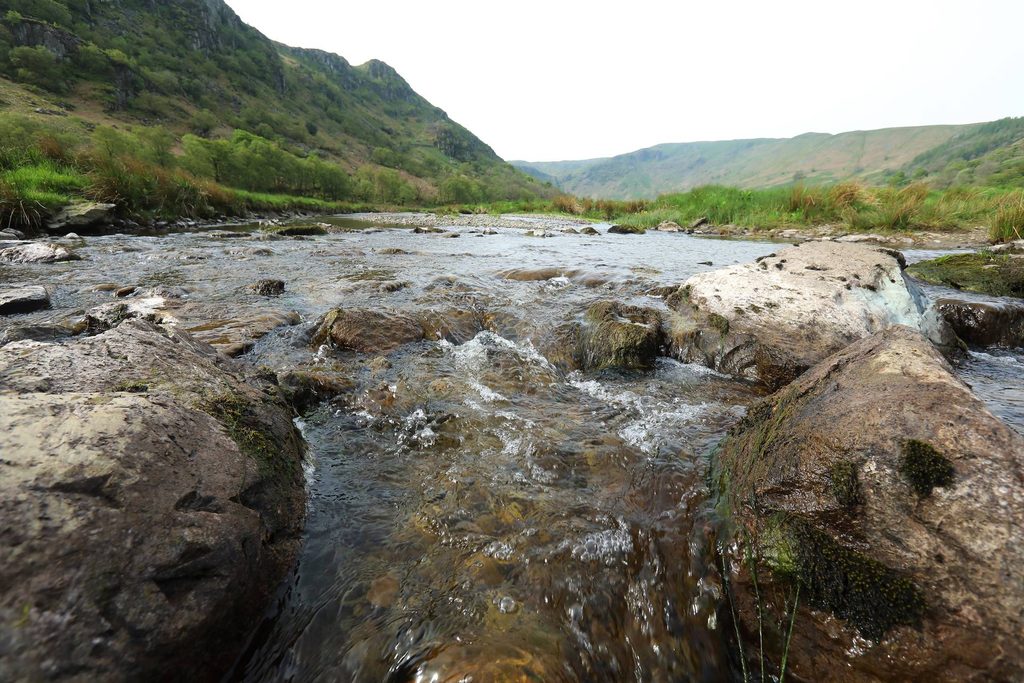
Image credits:
1) Young Salmon by Jack Perks
2) Swindale Beck before and after re-wiggling from Google Earth / BBC
3) Swindale Beck at Swindale Foot re-connected to its floodplain by Lee Schofield
4) Dipper by Dave Morris
5) Swindale Beck by Jim Holmes at Ashden
Blog by Annabel Rushton, RSPB People and Partnerships Manager for Wild Haweswater. Posted Wednesday 11 November 2026.